Reimagine Your Living Area: Innovative Rooflight Designs for Modern Homes
Creative rooflight concepts are revolutionizing contemporary residences by enhancing natural light and improving overall ambiance. Homeowners are increasingly recognizing the benefits of integrating rooflights into their living spaces. These installations not only improve architectural beauty but also promote energy efficiency and personal wellness. Yet, comprehending the distinct options and their alignment with diverse architectural designs remains important. What considerations should be taken into account when selecting the right rooflight for a specific home?
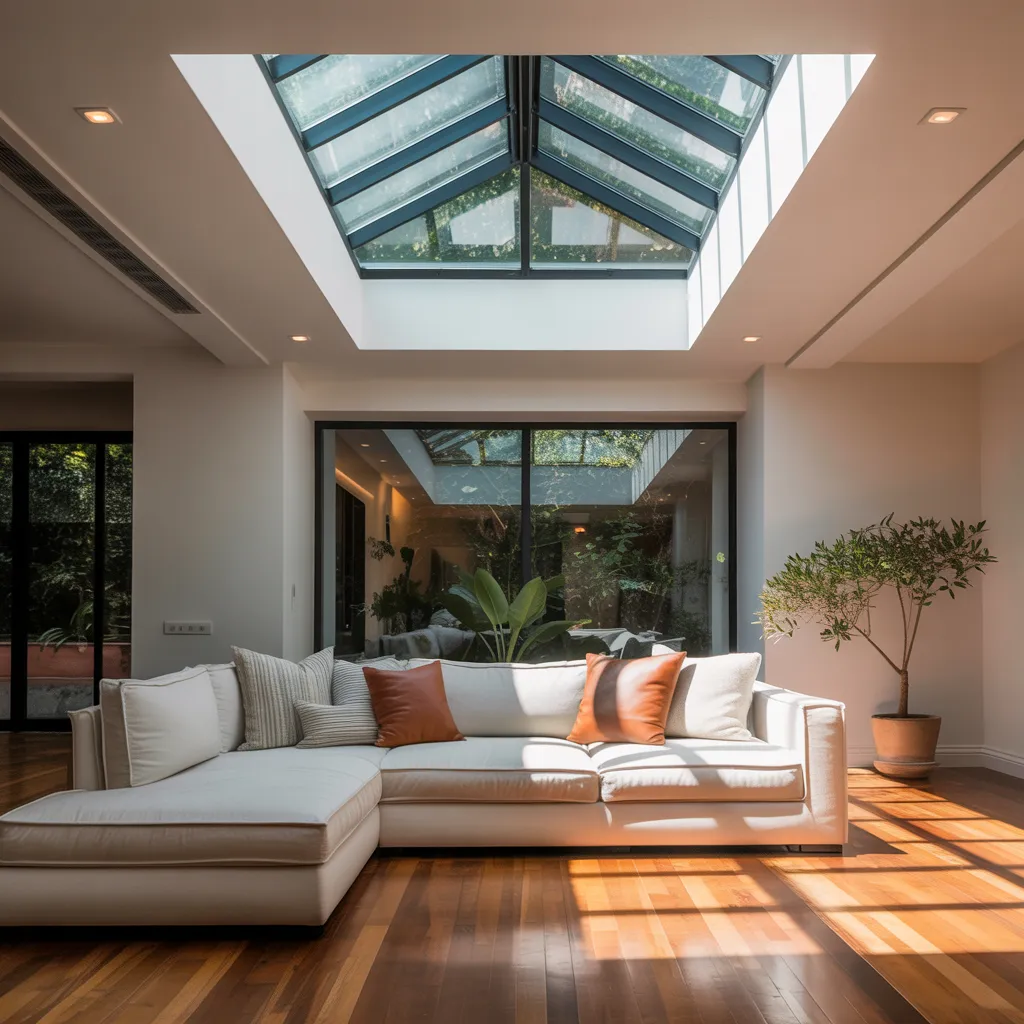
How Rooflights Improve Natural Light in Your Home
Although many homeowners seek ways to improve their living spaces, few solutions rival the impact of rooflights in enhancing natural light. These innovative installations enable sunlight to pour into interior spaces, establishing a luminous and appealing ambiance. With the insightful guide thoughtful installation of rooflights, homeowners can make the most of natural daylight, decreasing dependence on electric lighting during daytime hours.
The versatile design of rooflights is also a key factor in their overall performance. Whether incorporated into flat roofs or pitched designs, they can be tailored to suit diverse visual tastes and functional demands. Furthermore, rooflights can enhance the visual connection between inside and outside environments, giving homes a more open and spacious feel.
In modern homes, energy efficiency is growing in significance, and rooflights can contribute by utilizing natural light to create warmth and ambiance. In summary, the integration of rooflights represents a sophisticated approach to optimizing natural light in residential environments.
Top Benefits of Installing Rooflights
Adding rooflights delivers many compelling benefits that can significantly improve both the functionality and aesthetics of a home. Among the most notable advantages is the significant increase in natural light, which can make spaces feel larger and more inviting. This abundance of natural light can also enhance wellbeing and efficiency, supporting a more comfortable and vibrant living space.
Furthermore, rooflights are able to improve ventilation, permitting warm air to dissipate and supporting a pleasantly comfortable indoor climate. Another key benefit is energy efficiency; by decreasing dependence on man-made lighting during the day, residents can decrease electricity bills.
Moreover, rooflights can create a impressive structural highlight, boosting the visual appeal of interior and exterior spaces alike. Rooflights can also raise the value of a property, as prospective buyers commonly desire properties that feature unique design characteristics. In summary, adding rooflights can significantly transform a home by merging practical benefits with aesthetic improvements.

Types of Rooflights to Consider
When examining the numerous types of rooflights available, homeowners can pick from multiple designs that address different needs and styles. Fixed rooflights stand as a favoured choice, permitting ample natural light without the ability to open, making them ideal for areas where ventilation is not a priority. By comparison, vented rooflights provide the flexibility of opening, improving airflow and lowering indoor humidity. Skylights, often larger and more dramatic, can serve as focal points while permitting a significant amount of light. Tubular rooflights, designed for smaller spaces, guide sunlight through reflective tubes, making them a practical solution for dark areas. For those seeking a modern touch, flat glass rooflights provide sleek lines and a minimalist design, blending seamlessly with contemporary architecture. All variations bring individual strengths, empowering homeowners to choose the best option that aligns with their specific preferences and functional demands.
Key Considerations to Keep in Mind When Choosing Rooflights
Selecting the right rooflights for a home requires close attention to several important considerations. First, the dimensions and positioning of the rooflight should align with the room's proportions to optimize natural light without flooding the space. Next, energy efficiency is a crucial factor; choosing dual or triple-pane units can assist in maintaining a comfortable interior climate while cutting energy costs.
Furthermore, the type of glazing is important; low-E (low-E) glass can minimize heat loss and cut down on UV exposure. The rooflight's design should also suit the overall design scheme, ensuring a cohesive look.
Furthermore, local zoning laws and planning permissions ought to be carefully considered to minimize the risk of complications. As a final consideration, installation techniques and ongoing maintenance needs should be assessed, as these factors can affect lasting performance and structural integrity. By thoroughly examining these elements, property owners are able to reach well-informed conclusions that improve both aesthetic appeal and practicality.
How Rooflights Complement Different Architectural Styles
Rooflights are able to considerably elevate the aesthetic appeal of a wide range of architectural designs, naturally merging functionality with design. In present-day homes, sleek, minimalist rooflights can produce an expansive, light-filled environment, letting natural light fill interior spaces. Traditional designs benefit from elaborately styled rooflights, which can accentuate historical details while providing modern benefits.
Within industrial design, large, frameless rooflights can complement raw elements like exposed brickwork and steel, elevating the character of the space while maintaining a sense of openness. Meanwhile, within environmentally conscious homes, strategically placed rooflights optimise natural daylight, minimising dependence on artificial lighting and supporting sustainable living.
No matter the style, whether classic, modern, or eclectic, rooflights act as a flexible design feature. They not only enhance the visual appeal but also boost energy performance, ultimately enhancing the living experience. By carefully incorporating rooflights, architects can unite design and utility, creating inviting spaces that reflect their distinctive architectural character.
Maintenance Tips for Long-Lasting Rooflight Performance
To ensure optimal performance and long-term durability of rooflight installations, a proactive maintenance approach is necessary. Consistent cleaning, periodic examination of seals, and close monitoring of the frame's condition are critical steps. By following these recommendations, residents can strengthen the resilience and efficiency of their rooflights.
Scheduled Cleaning Routine
Developing a regular cleaning schedule is vital for maintaining the longevity and performance of rooflights. Dust, debris, and environmental pollutants can gather on the glass, blocking light and decreasing energy performance. A regular monthly cleaning regimen is advisable, especially in environments with high concentrations of pollen or dust. Utilising a soft cloth with a mild, non-abrasive cleaning solution confirms that the glass is kept clean and free from damage. It is also essential to assess the adjacent frame and drainage pathways during cleaning, verifying that they are free of debris that could result in water pooling. By committing to this schedule, property owners can boost both the appearance and functionality of their rooflights, ultimately prolonging their lifespan and effectiveness.
Check Seals Regularly
Consistent cleaning aids in the general upkeep of rooflights, but inspecting seals frequently is just as essential for ensuring their longevity and performance. With time, environmental conditions can degrade seals, resulting in leaks and diminished energy efficiency. Homeowners should schedule regular inspections, ideally bi-annually, to spot any evidence of wear or harm. This encompasses examining for cracks, gaps, or discoloration across the seals, which may indicate the need for repairs or replacements. Effective sealing not only blocks water entry but also boosts thermal performance, reducing energy expenses. By focusing on seal inspections, property owners can protect their investment in rooflights and maintain a comfortable, dry living space, thereby prolonging the life of these contemporary architectural elements.
Evaluate Frame Condition
Examining the state of the rooflight frame is essential for maintaining optimal performance. Periodic assessments can reveal signs of damage, such as cracks, warping, or corrosion, which may undermine the rooflight's efficiency and aesthetics. It is advisable to periodically clean the frame to remove debris and prevent moisture accumulation, which can result in further degradation. Moreover, confirming that the frame is securely fastened will assist in preserving its structural stability. Residents should also watch for any spaces between the frame and surrounding materials, as these can result in air leaks and reduced energy efficiency. By following these upkeep guidelines, one can enhance the lifespan of rooflight assemblies and ensure they continue to provide peak light and airflow.
Common Questions and Answers
Can Rooflights Assist in Cutting Energy Costs in My Home?
Rooflights offer a significant reduction in energy costs by making the most of natural light, reducing the need for artificial lighting and promoting passive solar heating. This contributes to decreased electricity bills and a more sustainable home environment.
Can Rooflights Withstand All Climates and Weather Conditions?
Rooflights are generally suitable for a range of climates, but their performance can differ. In harsh temperature environments, appropriate insulation and suitable materials are necessary. Local environmental conditions ought to be evaluated to guarantee durability and energy efficiency throughout the year.
What Are the Best Ways to Ensure Privacy With Rooflight Installations?
To ensure confidentiality during rooflight installations, you can opt for tinted or frosted glazing, strategically position the rooflights away from visible sight lines, and include covering solutions like shades or blinds to ensure seclusion while retaining natural daylight.
Which Materials Are Best for Rooflight Frames?
Aluminum, wood, and PVC are regarded as the top materials for rooflight frames. Aluminum delivers long-lasting performance with little upkeep, wood brings a natural aesthetic warmth, while PVC remains lightweight and highly resistant to weather conditions, making each option viable for different preferences.
Can I Fit Rooflights Myself, or Should I Employ a Professional?
While some individuals may choose to install rooflights themselves, enlisting the help of a professional is frequently recommended. Expertise guarantees proper installation and adherence to safety standards, thereby avoiding possible problems and extending the lifespan of the rooflight.
Comments on “Custom Rooflights: Functional Solutions”